
Heads-Up Poker: Tips for One-on-One Games
Heads-up poker is a unique format where only two players compete against each other. Unlike full-table games, you are always in the blinds and constantly involved in the action. This makes heads-up poker fast, aggressive, and highly strategic.
Whether you’re playing cash games or tournaments, mastering heads-up play is essential for online and live poker success. This guide covers rules, strategies, and tips to excel in one-on-one poker.
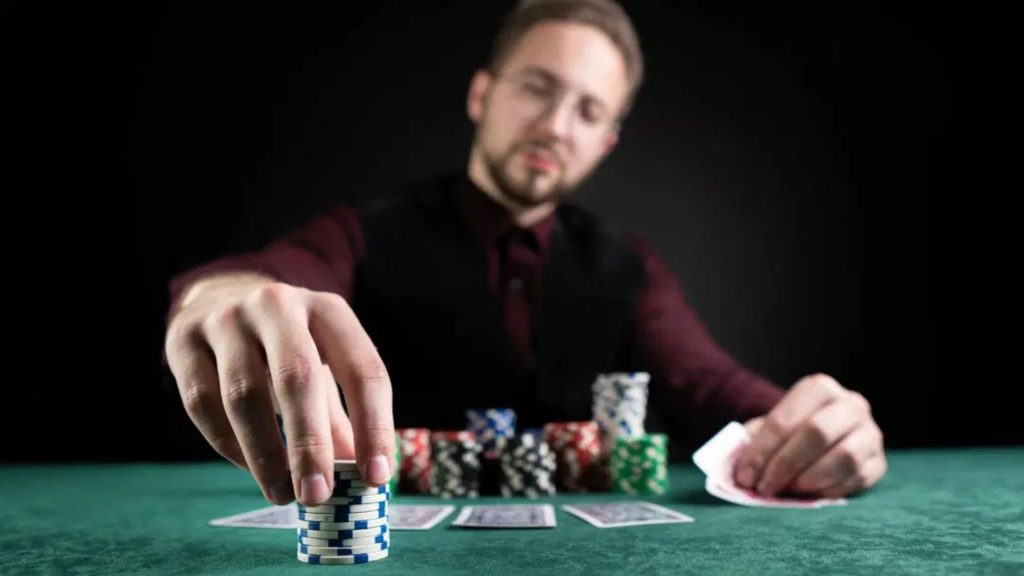
What Is Heads-Up Poker?
-
Format: Two players compete directly.
-
Blinds: Each player is always in a small or big blind.
-
Goal: Win all of your opponent’s chips by making superior hands or forcing folds.
-
Pace: Extremely fast, with constant action compared to full tables.
Rules of Heads-Up Poker
Heads-up poker usually follows Texas Hold’em rules:
-
Blinds: The dealer posts the small blind, and the opponent posts the big blind.
-
Dealing: Each player receives two hole cards.
-
Community Cards: Five community cards are dealt in stages: flop, turn, river.
-
Betting Rounds: Players bet, check, call, raise, or fold during each round.
-
Winning: The player with the best five-card hand at showdown wins the pot, or the opponent folds.
Heads-Up Strategy Tips
1. Play Aggressively
-
You are involved in every hand, so aggression is key.
-
Raise and re-raise to put pressure on your opponent.
2. Adjust Your Starting Hands
-
In full-table games, tight play works well.
-
Heads-up requires wider hand ranges—even weaker hands can be playable.
3. Pay Attention to Position
-
The dealer acts last post-flop, giving a strategic advantage.
-
Use your position to control the pot size and gather information.
4. Observe Opponent Tendencies
-
Note how your opponent reacts to bets, bluffs, and aggression.
-
Adjust strategy to exploit weaknesses like over-folding or calling too much.
5. Bluff Strategically
-
Bluffing is more effective heads-up because your opponent is in the pot more often.
-
Semi-bluff with hands that have potential to improve, like suited connectors or low pairs.
6. Manage Your Stack
-
Small stacks require aggression to stay competitive.
-
Big stacks can control the pace, forcing opponents into mistakes.
7. Adapt Constantly
-
Every hand matters, and your opponent will adjust.
-
Continuously change tactics to stay unpredictable and exploit weaknesses.
Common Mistakes in Heads-Up Poker
-
Playing Too Passively – Folding too often lets your opponent steal pots uncontested.
-
Overvaluing Hands – Strong hands like top pair aren’t always enough; position and aggression matter more.
-
Ignoring Opponent Patterns – Not observing tendencies reduces your ability to exploit weaknesses.
-
Neglecting Stack Size – Failing to adjust based on stack sizes can lead to unnecessary losses.
Why Heads-Up Poker Is Important
-
Improves all-around skills: You learn to read opponents and play aggressively.
-
Quick games: Perfect for online play or fast-paced tournaments.
-
Key to winning tournaments: Most tournaments end in a heads-up showdown.
-
High intensity: Every decision matters, offering a challenging and exciting experience.
Conclusion
Heads-up poker is fast, intense, and requires a unique strategy. Success comes from aggressive play, observing opponents, and adapting constantly. By expanding your starting hands, playing positionally, and bluffing wisely, you can dominate one-on-one games and improve your overall poker skills.

Spin & Go Poker Tournaments: How They Work

Tournament Poker Formats Every Player Should Know

Deuces Wild video poker changes the game
About The Author
