
Short deck poker changes traditional hand values
Short deck poker changes traditional hand values, creating a faster and more dynamic variation of classic poker. By removing all cards ranked 2 through 5, the deck shrinks from 52 to 36 cards, which alters the probability of forming certain hands. Consequently, straights and flushes occur more frequently, and full houses become relatively stronger. Many poker enthusiasts enjoy the increased action and strategic adjustments that Short deck poker demands. Additionally, players must rethink conventional hand rankings and strategies to succeed. Therefore, Short deck poker offers a fresh, challenging alternative for both casual and experienced players.
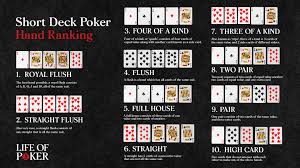
How Short Deck Poker Alters Gameplay
Short deck poker alters gameplay by changing the odds of hitting various hands, making the game more aggressive. With fewer low cards, high-value hands appear more often, leading to larger pots and riskier play. Moreover, players must adjust their pre-flop hand selection and post-flop strategies to account for faster draws. Betting patterns shift as the frequency of strong hands increases, forcing opponents to think differently. Additionally, position and reading opponents become even more critical in this high-variance environment. As a result, Short deck poker provides a unique challenge compared to traditional Texas Holdem.
Why Hand Rankings Differ in Short Deck Poker
Hand rankings differ in Short deck poker to reflect the changed probabilities of achieving specific hands. For example, a flush often beats a full house, which is the opposite of traditional Holdem. This adjustment ensures balanced gameplay and maintains fairness in strategic decision-making. Players must relearn which hands are most valuable and how to prioritize them during betting rounds. Furthermore, these altered rankings encourage more aggressive play and creative bluffing strategies. Consequently, understanding hand hierarchy is essential for anyone looking to succeed in Short deck poker.
The Strategic Impact of Short Deck Poker
Short deck poker increases the importance of strategic thinking due to its faster pace and altered hand values. Players must consider hand strength, potential draws, and opponent tendencies more carefully than in standard poker. Additionally, proper bankroll management is crucial because the high variance leads to larger swings in chip stacks. Position becomes a strategic advantage, as acting last allows players to control the flow of aggressive pots. Moreover, selective aggression and well-timed bluffs can create profitable opportunities. Therefore, mastering strategy in Short deck poker requires both adaptability and advanced analytical skills.
Why Short Deck Poker Appeals to Experienced Players
Short deck poker appeals to experienced players because it challenges traditional assumptions and rewards skillful adjustments. Experts enjoy recalculating probabilities and rethinking betting strategies to suit the modified deck. Furthermore, the faster pace increases excitement and creates more opportunities for decisive hands. Tournaments and cash games in Short deck format often attract high-level competition, further enhancing its appeal. Additionally, mastering this variant demonstrates versatility and deep understanding of poker theory. As a result, Short deck poker has grown popular among professional and ambitious players alike.
How Online Platforms Support Short Deck Poker
Online platforms support Short deck poker by providing flexible formats, stakes, and tournaments for a global audience. Players can practice this variant without requiring physical tables or local opponents. Moreover, tools such as hand histories, odds calculators, and strategy guides help players adapt to new hand rankings. Platforms also offer freerolls and promotions, making it easier to explore Short deck poker risk-free. Additionally, real-time software ensures fair dealing and smooth gameplay, maintaining the integrity of the variant. Consequently, online platforms have played a major role in popularizing Short deck poker worldwide.
Tips for Excelling in Short Deck Poker
Excelling in Short deck poker requires understanding the altered hand values and adjusting betting strategies accordingly. First, players should focus on starting hand selection and prioritize hands likely to win under the modified rankings. Observing opponents’ tendencies helps anticipate aggression and potential bluffs. Moreover, controlling pot size and managing risk prevents large swings from eroding your stack. Studying probabilities and practicing consistently improves long-term performance. When approached strategically, Short deck poker provides both exciting gameplay and rewarding challenges.
The Long-Term Appeal of Short Deck Poker
Short deck poker maintains long-term appeal because it reinvents traditional poker while retaining skill-based strategy. The altered hand rankings create fresh challenges that keep players engaged over time. Additionally, its fast pace, larger pots, and high variance appeal to competitive and experienced participants. Online and live tournaments offer ongoing opportunities for practice and success. Furthermore, mastering Short deck poker enhances a player’s versatility across other variants. Consequently, Short deck poker remains an exciting and innovative option in the modern poker landscape.

Sit & Go Poker: Rules and Strategies

Draw poker games focus on pure strategy

How to win in multi-table tournaments
About The Author
