Understanding Omaha Poker Rules and Strategies
Omaha Poker is one of the most exciting and strategic versions of poker. It offers more action, bigger pots, and deeper decision-making than Texas Hold’em. Although both games share similarities, Omaha has unique rules that make it more complex and rewarding for players who understand its structure. This article explains how Omaha works, the key rules you must know, and the best strategies to help you play confidently.
What Is Omaha Poker?
Omaha is a community-card poker game similar to Texas Hold’em. The main difference is simple but important:
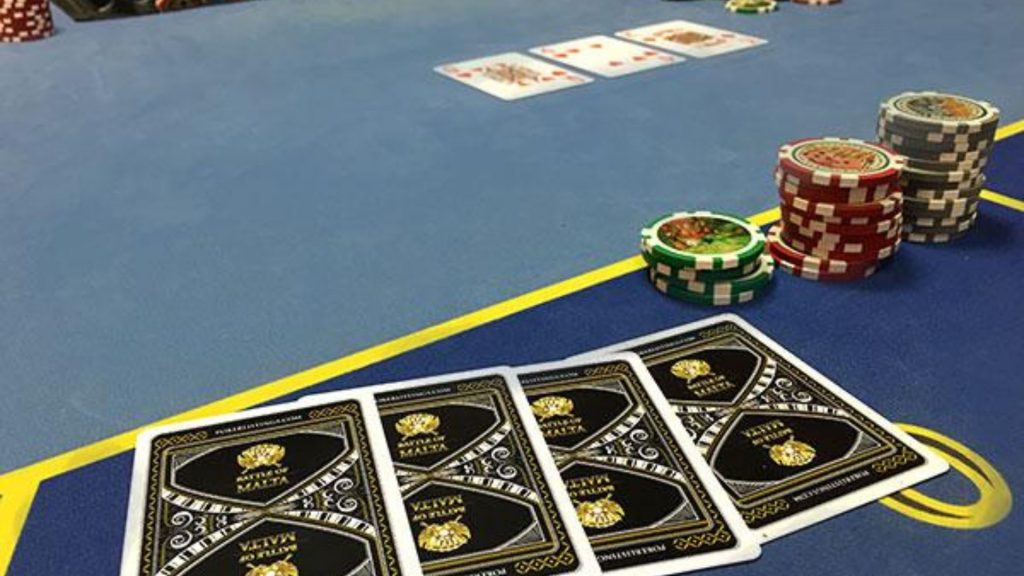
Each player receives four hole cards instead of two.
You must use exactly two of those four cards plus three community cards to make your final hand.
This rule changes everything. It creates more possible combinations, stronger average hands, and more action on every betting round.
Basic Rules of Omaha Poker
1. Dealing the Cards
Each player gets four private cards (hole cards). You cannot show them to others.
2. Community Cards
Five community cards appear on the table:
-
The flop (three cards)
-
The turn (one card)
-
The river (one card)
3. Making a Hand
This is the rule most beginners forget:
👉 You must use exactly two of your hole cards and exactly three community cards.
You cannot use one hole card or all four.
4. Betting Rounds
Betting happens before the flop, on the flop, on the turn, and on the river—just like in Texas Hold’em.
5. Winning the Pot
The player with the best five-card hand using the “2 + 3 rule” wins the pot.
Types of Omaha Poker
1. Pot-Limit Omaha (PLO)
This is the most popular version.
Players can bet only up to the size of the current pot.
PLO is known for big swings, huge pots, and strong hands.
2. Omaha Hi-Lo (Omaha 8 or Better)
The pot splits between the best high hand and best low hand.
To qualify for a low hand, the cards must be 8 or lower.
3. Fixed Limit Omaha
Betting amounts are fixed. This is less common but good for beginners.
Why Omaha Feels More Explosive Than Hold’em
Because each player has four starting cards, the number of possible hands increases dramatically.
This leads to:
-
Stronger drawing hands
-
More players seeing the flop
-
Bigger pots
-
More frequent multi-way action
However, it also means beginners often overvalue weak hands. Understanding true hand strength is essential.
Core Strategies for Winning at Omaha Poker
1. Start With Strong Hands Only
Good starting hands matter more in Omaha than in Hold’em.
You should look for hands that work well together, not simply four random cards.
Strong Omaha Starting Hands Include:
-
Double-suited A-A-K-K
-
A-A-J-10
-
K-Q-J-10 double-suited
-
A-2-3-4 in Omaha Hi-Lo
These hands offer straight, flush, and full-house potential.
2. Avoid “Danglers”
A dangler is a single card in your four-card hand that serves no purpose.
For example:
-
A♥ K♠ Q♦ 7♣ → the 7 is a dangler.
Hands with mismatched or isolated cards are weaker and harder to play profitably.
3. Respect the “Nut Hands”
In Omaha, players often make very strong hands. You must aim for the nuts, meaning the strongest possible hand at that moment.
Examples:
-
The nut flush (Ace-high flush)
-
The highest straight
-
Top full house
A second-best hand loses money often in Omaha, so avoid falling in love with weak flushes or low straights.
4. Draw to the Nuts, Not to Weak Hands
Because players have four cards, drawing hands are powerful.
However, you should only chase nut draws such as:
-
Nut-flush draws
-
Open-ended straight draws to the highest straight
-
Wrap draws (multiple straight draws at once)
Avoid chasing weak flushes or non-nut straights—opponents beat these hands frequently.
5. Understand Wraps and Big Draws
Wraps are one of the most exciting features in Omaha.
A wrap draw gives you 13, 17, or even 20+ outs to make a straight.
Example:
If you hold Q-J-10-9 on a flop of K-9-3, you have multiple ways to hit a straight.
This gives you a powerful drawing advantage.
6. Position Matters Even More in Omaha
Playing in late position allows you to:
-
Control pot size
-
Gain more information
-
Play your draws more effectively
-
Avoid losing big with second-best hands
Because Omaha pots grow quickly, acting later gives you a massive strategic edge.
7. Think About Pot Control
With bigger pots and stronger hands, many new Omaha players go all-in too early.
Instead, control pot size based on your draw strength and hand quality.
Avoid huge pots with medium-strength hands.
8. Use the 2+3 Rule Consistently
Always check which exact two hole cards you must use.
Many beginners misread their hands, especially with flushes or full houses.
Practice reading hands correctly to avoid costly mistakes.
Conclusion
Omaha Poker is a thrilling game full of strategy, action, and deep thinking. Although it shares features with Texas Hold’em, the extra hole cards and stronger hands make Omaha more complex and rewarding. By learning the rules, choosing strong starting hands, drawing to the nuts, and using smart strategies, you can gain a real edge at the table. Whether you choose Pot-Limit Omaha or Omaha Hi-Lo, mastering these concepts will help you play confidently and profitably.

Why Omaha poker is gaining popularity
Short deck poker changes traditional hand values

Omaha poker games offer bigger pots and swings
About The Author
