
Easy Poker Games for Beginners to Learn Fast
Poker is one of the most popular card games in the world. However, many beginners feel intimidated by complex rules, strategies, and fast-paced action. The good news is that several easy poker games are perfect for beginners who want to learn fast without feeling overwhelmed.
These beginner-friendly poker games focus on simple rules, clear objectives, and steady gameplay. As a result, they help new players build confidence while learning the fundamentals of poker.
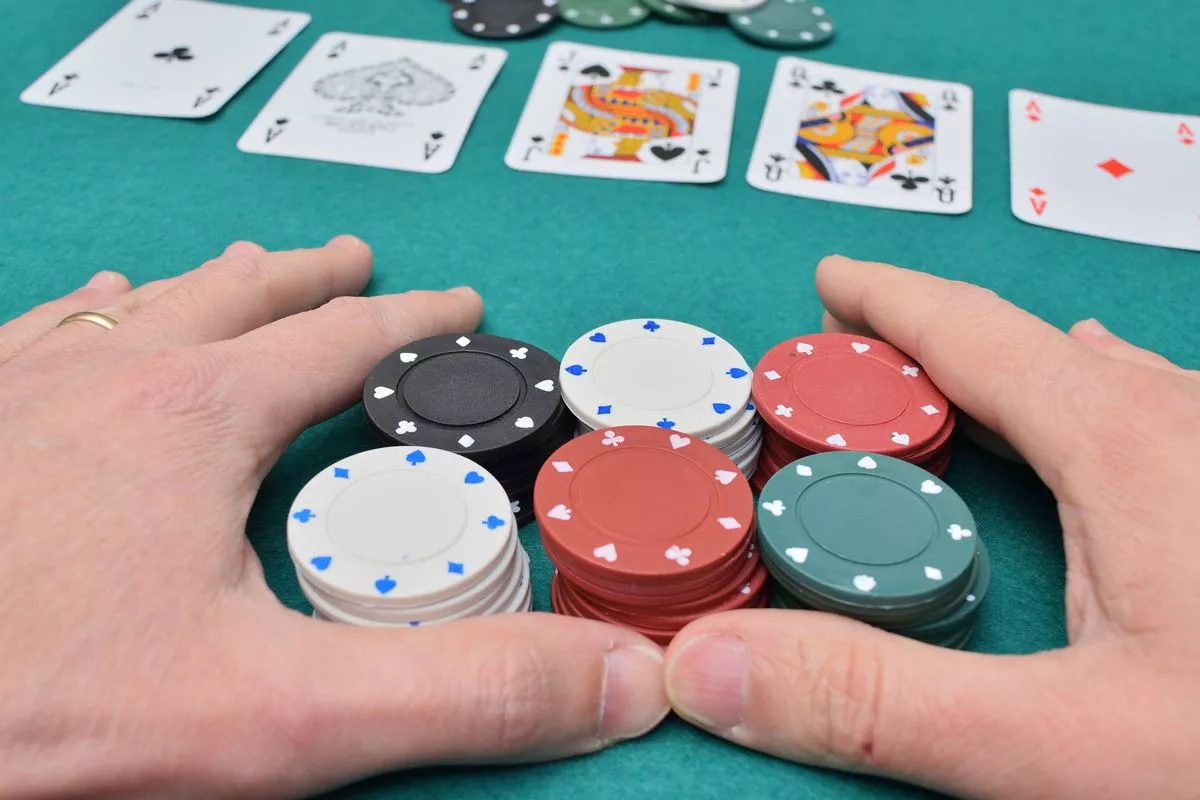
Why Beginners Should Start With Simple Poker Games
Learning poker is much easier when you start with games that are designed for simplicity. These games help new players:
-
Understand basic hand rankings
-
Learn when to bet, check, or fold
-
Practice bankroll control
-
Build confidence through repetition
Starting with easy poker games also reduces frustration and keeps the game fun and engaging.
Five-Card Draw
Why It’s Perfect for Beginners
Five-Card Draw is one of the simplest poker games to learn. Every player receives five cards, and the goal is to make the best poker hand.
Basic Gameplay
-
Each player gets five face-down cards
-
One round of betting takes place
-
Players can exchange up to three cards
-
A final betting round follows
-
The best hand wins
Why Beginners Love It
-
Easy rules
-
No community cards
-
Clear focus on making the best hand
-
Slower pace for learning decisions
Texas Hold’em (Beginner Level)
Why It’s Beginner-Friendly
Texas Hold’em is the most popular poker game worldwide. While it can get complex in advanced play, beginners can learn the basics very quickly.
Simple Structure
-
Two cards dealt to each player
-
Five community cards revealed in stages
-
Four total betting rounds
-
Best five-card hand wins
Beginner Advantages
-
Easy-to-understand community cards
-
Plenty of learning resources available
-
Great for practicing hand strength and timing
-
Ideal for both casual and serious play
Three-Card Poker
Fast and Simple Learning Curve
Three-Card Poker is a simplified poker version often found in casinos. Players receive three cards and compete against the dealer.
Basic Rules
-
You receive three cards
-
Decide whether to fold or play
-
Dealer qualifies with a minimum hand
-
Highest three-card hand wins
Why Beginners Pick It
-
Very fast gameplay
-
No complex strategies
-
Simple winner determination
-
Easy-to-understand hand rankings
Stud Poker (Five-Card Stud)
A Great Learning Tool
Five-Card Stud removes the complexity of card exchanges and community cards. Each player receives five cards, some face-up and some face-down.
Gameplay Overview
-
Two cards dealt initially
-
More cards revealed round by round
-
Betting after each card
-
Best final hand wins
Key Benefits
-
Learn to read opponents’ visible cards
-
Develop observation skills
-
No confusing community boards
Video Poker
Solo Practice for Beginners
Video poker combines poker hand rankings with slot-style play. It’s one of the best ways to practice poker without pressure.
How It Works
-
You receive five cards
-
Choose which cards to keep
-
Replace the rest
-
Final hand determines payout
Why It’s Perfect for Fast Learning
-
No opponents to worry about
-
Clear payout tables
-
Teaches hand value quickly
-
Builds poker confidence at your own pace
Basic Poker Hands Beginners Must Learn
Before playing any poker game, beginners should memorize these basic hands:
-
High Card
-
One Pair
-
Two Pair
-
Three of a Kind
-
Straight
-
Flush
-
Full House
-
Four of a Kind
-
Straight Flush
-
Royal Flush
Knowing hand rankings instantly improves speed and decision-making at the table.
Simple Poker Tips for Beginners
Start With Small Stakes
-
Low stakes reduce pressure
-
Mistakes feel less costly
-
You can learn without fear
Play Fewer Hands
-
Avoid chasing weak cards
-
Focus on strong starting hands
-
Fold more often than you play
Observe Other Players
-
Watch betting habits
-
Learn from experienced players
-
Study how winners play
Stay Patient
-
Poker rewards discipline
-
Avoid emotional decisions
-
Long-term thinking leads to success
Common Beginner Mistakes to Avoid
Many new players make the same early mistakes. Avoiding them helps you improve faster.
-
Playing too many hands
-
Chasing losses
-
Bluffing too often
-
Ignoring bankroll limits
-
Betting without understanding odds
Learning these lessons early builds solid poker habits.
How to Choose the Best Easy Poker Game for You
Every beginner is different. When choosing your first poker game, consider:
-
Your comfort level with rules
-
Whether you prefer fast or slow gameplay
-
If you want to play solo or with others
-
How much time you have to practice
Trying different games helps you discover which poker style suits you best.
Conclusion
Poker does not have to be complicated for beginners. Easy poker games for beginners to learn fast include Five-Card Draw, beginner-level Texas Hold’em, Three-Card Poker, Five-Card Stud, and Video Poker. These games offer simple rules, steady pacing, and excellent learning opportunities.
By starting with easy formats, learning basic hand rankings, and following smart beginner tips, anyone can build strong poker skills with confidence. With patience, practice, and responsible play, beginners can quickly turn simple knowledge into enjoyable and rewarding poker sessions.

How psychology influences decision-making at the poker table

Home poker games make casual play fun
How to master 7-Card Stud rules and strategy
About The Author
