
5-Card Draw Poker: Rules and Tips
5-Card Draw is one of the oldest and simplest poker games. Many people learn it before they play Texas Hold’em or Omaha because the rules are easy and the gameplay feels familiar. Even though it is simple, 5-Card Draw still requires smart thinking, good memory, and strong reading skills to win consistently. This guide explains how the game works, what rules you must follow, and the best tips to help you play confidently.
What Is 5-Card Draw Poker?
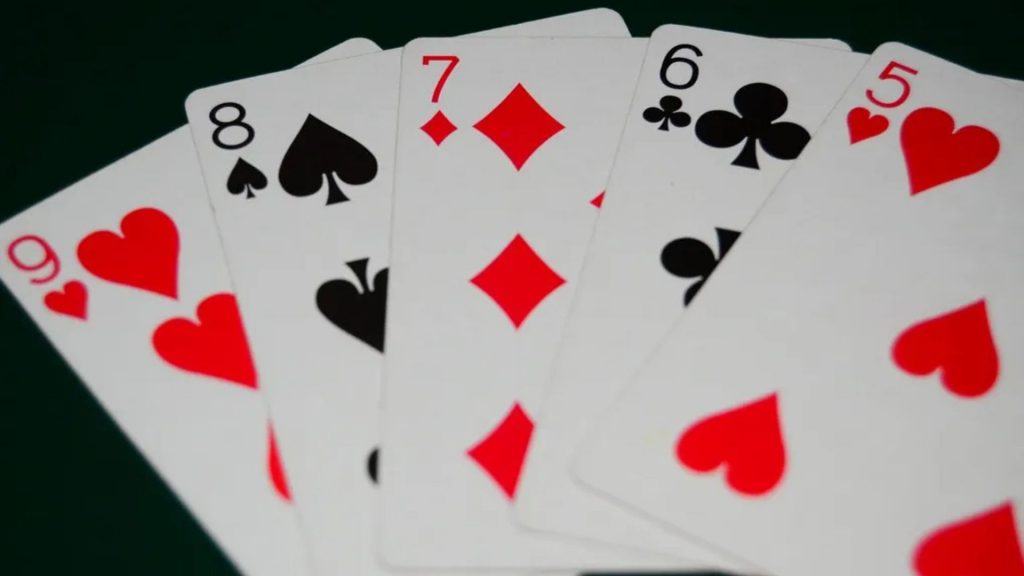
5-Card Draw is a classic poker game where players receive five private cards. Unlike community-card games, you do not share cards with others. You decide which cards to keep and which to throw away, and you draw new ones to form the strongest hand.
The goal is to make the best five-card poker hand, such as a pair, straight, flush, full house, or royal flush.
How the Game Works
1. Blinds or Antes
The game can use:
-
Blinds (like Hold’em)
or -
Antes (small bets from each player)
Both force players to put money in the pot before seeing their cards.
2. Dealing the Cards
Each player receives five cards face down.
You look at your cards, decide their value, and prepare for the first betting round.
3. First Betting Round
Players take turns:
-
Betting
-
Calling
-
Raising
-
Folding
This round happens before any cards are exchanged.
4. The Draw
After betting, each player chooses how many cards to throw away and draws new ones to replace them.
Players can:
-
Exchange 0 cards (stand pat)
-
Exchange 1–4 cards
-
Exchange 5 cards (rare and usually weak)
5. Second Betting Round
After the draw, players bet again.
This is where bluffing becomes powerful, because no one can see anyone else’s cards.
6. Showdown
If more than one player remains, everyone shows their cards.
The best five-card hand wins the pot.
Hand Rankings in 5-Card Draw
From strongest to weakest, the standard poker hand rankings apply:
-
Royal Flush
-
Straight Flush
-
Four of a Kind
-
Full House
-
Flush
-
Straight
-
Three of a Kind
-
Two Pair
-
One Pair
-
High Card
Understanding these rankings is essential, because 5-Card Draw relies on hidden information.
Winning Tips for 5-Card Draw Poker
1. Start With Strong Hands
Strong starting hands give you the best chance to win.
Good starting hands include:
-
High pairs (A-A, K-K, Q-Q, J-J)
-
Two pair
-
Three of a kind
-
Four cards to a flush
-
Four cards to a straight
Weak hands like random low cards or unsuited high cards should usually be folded.
2. Protect Your Drawing Information
Try not to reveal too much by how many cards you draw.
For example:
-
Drawing one card often signals a strong hand like two pair or a made straight.
-
Drawing three cards usually shows weakness.
Mix your play sometimes to stay unpredictable.
3. Pay Attention to Opponents’ Draws
Observing how many cards others draw gives you valuable clues:
-
Standing pat (0 cards): Very strong hand
-
One card: Likely a strong hand improving
-
Two or three cards: Medium strength or drawing hand
-
Four or five cards: Usually weak
Use this information to make smart betting decisions.
4. Bluff Carefully
5-Card Draw is one of the best poker games for bluffing because:
-
No one sees community cards
-
Opponents only know how many cards you draw
However, do not bluff too often.
Your opponents will catch on quickly.
5. Avoid Chasing Weak Draws
Many beginners chase poor straights or small flushes.
These hands often lose money.
If your draw is weak and the pot is small, folding is usually better.
6. Position Matters
Playing in late position gives you a big advantage.
You get to see:
-
How many cards opponents draw
-
How they act before your turn
This information helps you decide the best move.
Know When to Stand Pat
If you already have a strong hand, such as:
-
Straight
-
Flush
-
Full house
-
Trips (sometimes)
you can choose not to draw at all.
This strong statement can make opponents fold or call incorrectly.
Conclusion
5-Card Draw is simple, fast, and full of strategy. You receive your own set of cards, decide which to keep, and use betting and bluffing to outplay opponents. By learning the rules, choosing strong starting hands, reading opponents’ draws, and making smart decisions after the draw, you can improve quickly and enjoy deeper success at the table.

Mixed poker games challenge all round skill

Low Limit Poker Games for New Players

How Texas Hold’em works for beginners
About The Author
